Ozempic & the Gym: Why Muscle Loss Is the Hidden Risk
- 12 May, 2026
Ozempic, Wegovy and Mounjaro have helped millions of people lose significant amounts of weight. The results in clinical trials are real, and for many people these drugs have been genuinely life-changing. But there’s a side of the story that doesn’t get nearly enough attention: a significant portion of the weight lost on GLP-1 drugs is muscle, not fat.
Understanding this — and knowing how to address it — is one of the most important things anyone on a weight loss medication can do.
The Muscle Loss Problem
When your body loses weight rapidly, it doesn’t just burn fat. It breaks down muscle tissue too. This happens even without medication — it’s a known challenge of any significant calorie deficit. But GLP-1 drugs make it worse, because they suppress appetite so dramatically that many people aren’t consuming nearly enough protein to protect their lean mass.
Studies on semaglutide have shown that up to 38–40% of weight lost during treatment can be lean muscle mass. That means someone who loses 20kg on Ozempic might lose 8kg of muscle alongside 12kg of fat. This has serious consequences:
- Lower metabolism — muscle is metabolically active tissue. Less muscle means fewer calories burned at rest, making weight maintenance harder after stopping the drug
- Reduced strength and function — particularly concerning for older adults where muscle loss accelerates existing sarcopenia
- Worse body composition — losing muscle while losing weight often leaves people looking and feeling weaker rather than leaner and stronger
- Higher risk of weight regain — the lower your muscle mass, the harder it becomes to sustain fat loss long-term
The Solution: Resistance Training + High Protein
The research is clear. The two most effective tools for preserving muscle during any weight loss phase — drug-assisted or not — are resistance training and adequate protein intake. Used together, they significantly reduce muscle loss even in a large calorie deficit.
Resistance Training
Lifting weights sends a signal to your body that muscle is needed and should be preserved. Two to three sessions per week of compound movements (squats, deadlifts, rows, presses) is enough to significantly reduce muscle breakdown during weight loss. Studies on GLP-1 users who incorporated resistance training showed meaningfully better muscle retention compared to those who relied on the drug alone or combined it only with cardio.
High Protein Intake
Current research recommends 1.8–2.4g of protein per kg of bodyweight per day during a weight loss phase. The challenge on GLP-1 drugs is that appetite suppression makes eating this much through food alone genuinely difficult. This is where protein powder becomes essential — it’s an easy, low-volume way to hit protein targets even when appetite is suppressed.
Key Supplements for GLP-1 Drug Users
Protein Powder
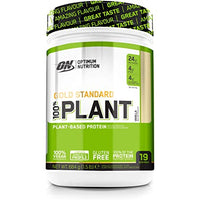
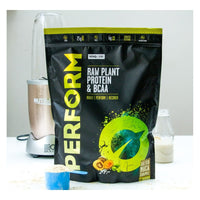
The single most important supplement for anyone on Ozempic, Mounjaro or similar. Choose a high-quality whey isolate — it delivers maximum protein with minimal calories, is easy to digest, and mixes into a single small shake. Top picks: Dymatize ISO100 (25g protein, under 120kcal), Optimum Nutrition Gold Standard Whey, or Applied Nutrition Critical Whey.
Creatine Monohydrate
Creatine supports the energy systems your muscles use during resistance training, helping you maintain performance even when eating less. 3–5g daily of creatine monohydrate is the standard dose — cheap, effective and unflavoured.
Vitamins & Minerals
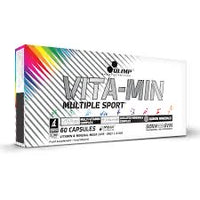
Dramatically reduced food intake creates real risks of micronutrient deficiency. Vitamin D, B12, zinc, magnesium and omega-3 are among the nutrients most likely to fall short. A quality multivitamin and omega-3 supplement are sensible daily additions. Browse our vitamins range.
The Bottom Line
GLP-1 drugs are a powerful tool for weight loss — but they work best when combined with resistance training and high protein intake. Without these, a significant portion of the weight you lose will be muscle rather than fat.
If you’re on Ozempic or Mounjaro — prioritise your protein, take creatine, and get to the gym.
Buffalo Nutrition — 132 Cricklewood Broadway, London NW2 3EE | Mon–Sat 10:30am–7pm | 4.9★ on Google | Free UK delivery over £50